
Travel Blog
Experiencing History in the South
March 26, 2026
The second half of the Civil Rights Trip took students from Birmingham to Memphis, continuing an immersive exploration of the Civil Rights Movement through site visits, service work, and conversations with those directly connected to this history.
Birmingham, AL
Students began in Birmingham at the Birmingham Civil Rights Institute, where exhibits and artifacts examined the realities of legal segregation in 20th-century America, grounding the group in the city’s historical context.
Before moving on, the group bid a sad farewell to chaperone Micah Margolies, who traveled home to Kansas City.
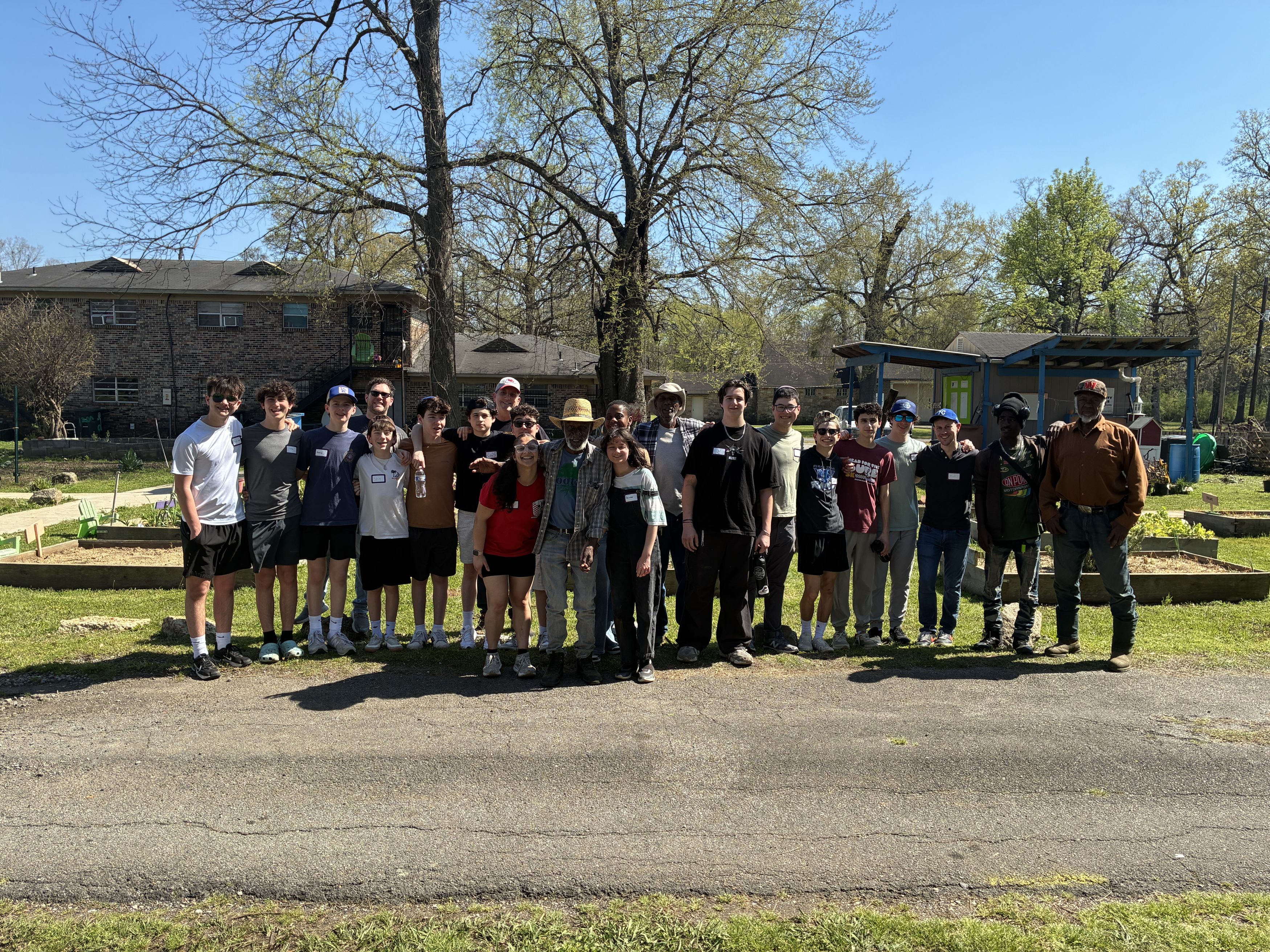
At their next stop, students continued a circle of service that began months earlier in Kansas City with work at Kanbe’s Market. Partnering with Birmingham Urban Ministries’ WE Garden program, they participated in gardening and pantry work while learning from program leader Stacie Person about cycles of poverty and systemic inequality, connecting their historical learning with its present-day impact.
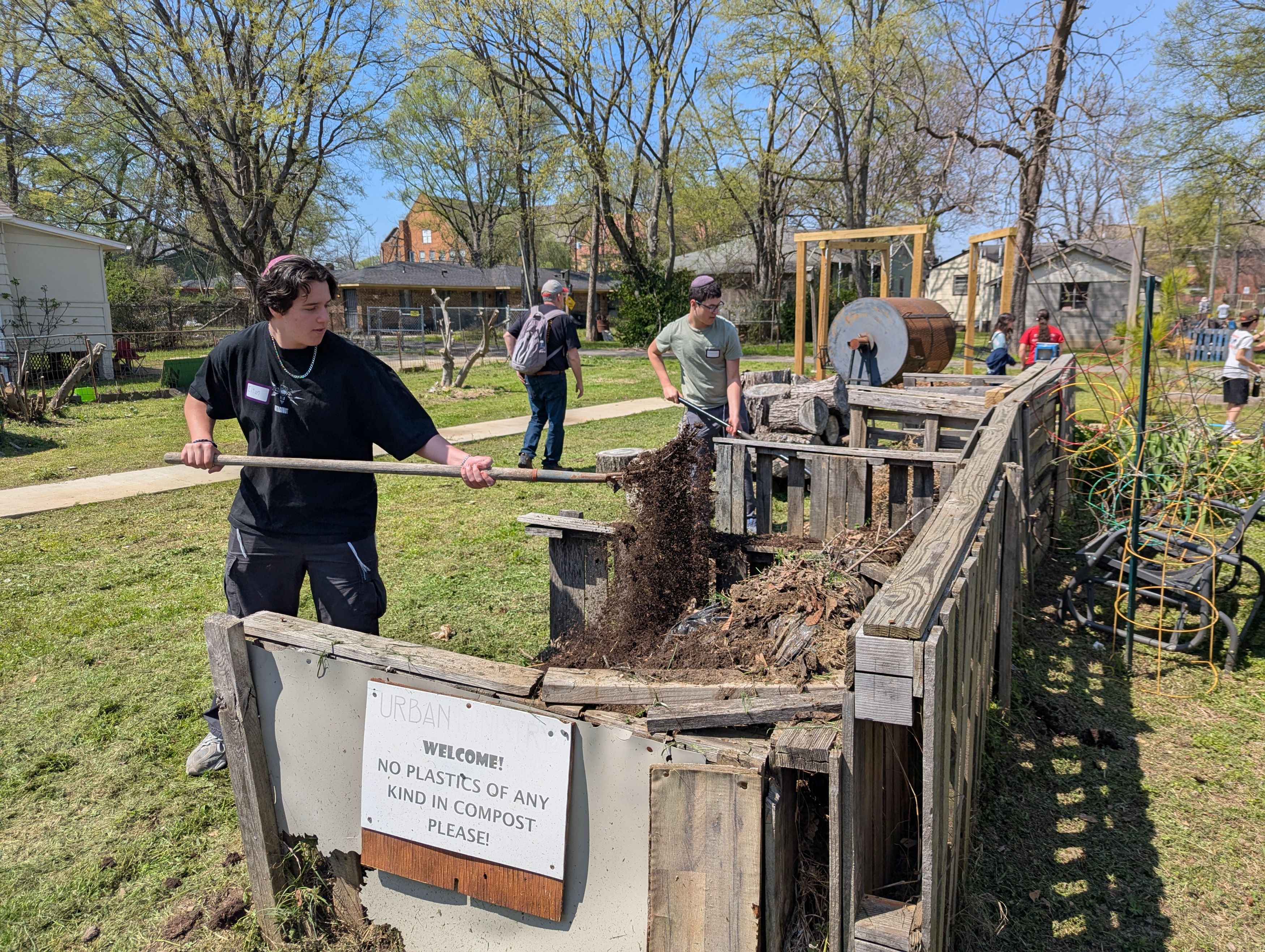
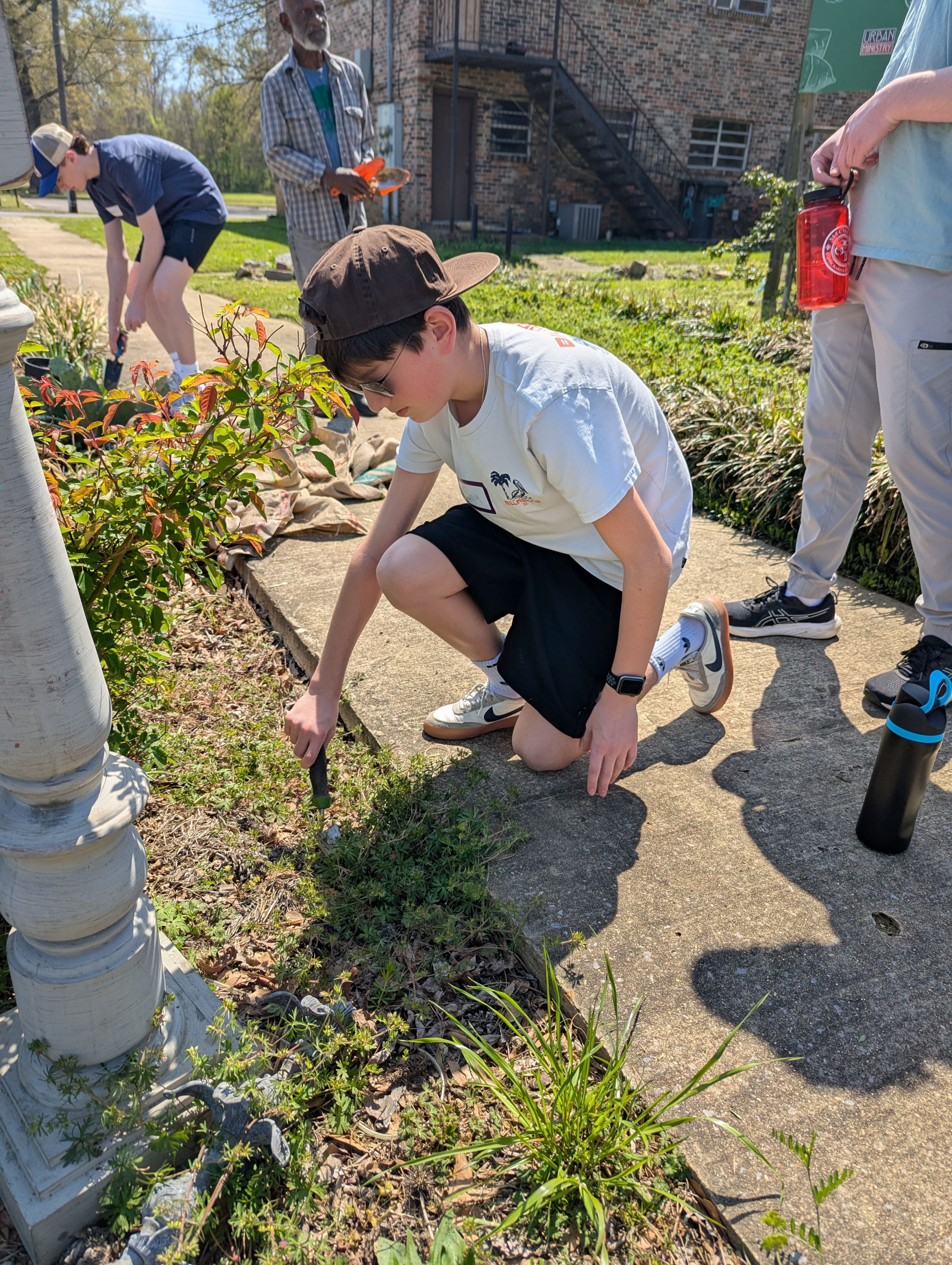
“At WE Garden… we learned about food insecurity and the effect it has on communities. This ties into the Civil Rights Movement learning because food insecurity disproportionately affects African-American communities due to unequal access to resources and generational hardship,” freshman Rhys P. reflected. “Learning about this topic makes us realize the effects racism and slavery can still have on communities, even decades after the Civil Rights Movement.”
In the afternoon, the group traveled through Birmingham with historian Barry McNealy, visiting sites connected to the KKK and White Citizens’ Council bombings. During the bus tour, an unexpected moment brought history into the present when Barry spotted Jeff Drew, an actual participant in the Children’s March, where police released attack dogs and fire hoses on children peacefully protesting for desegregation of public spaces. Mr. Drew joined the group to share his firsthand experience and words of inspiration about standing up to injustice.
Reflecting on that encounter, sophomore Simon G. shared, “When Jeff Drew got onto our bus, it really changed my perspective on our trip, and the Civil Rights Movement didn’t feel so far away anymore. People who protested for their rights are still alive today and had personal connections with Dr. MLK.”
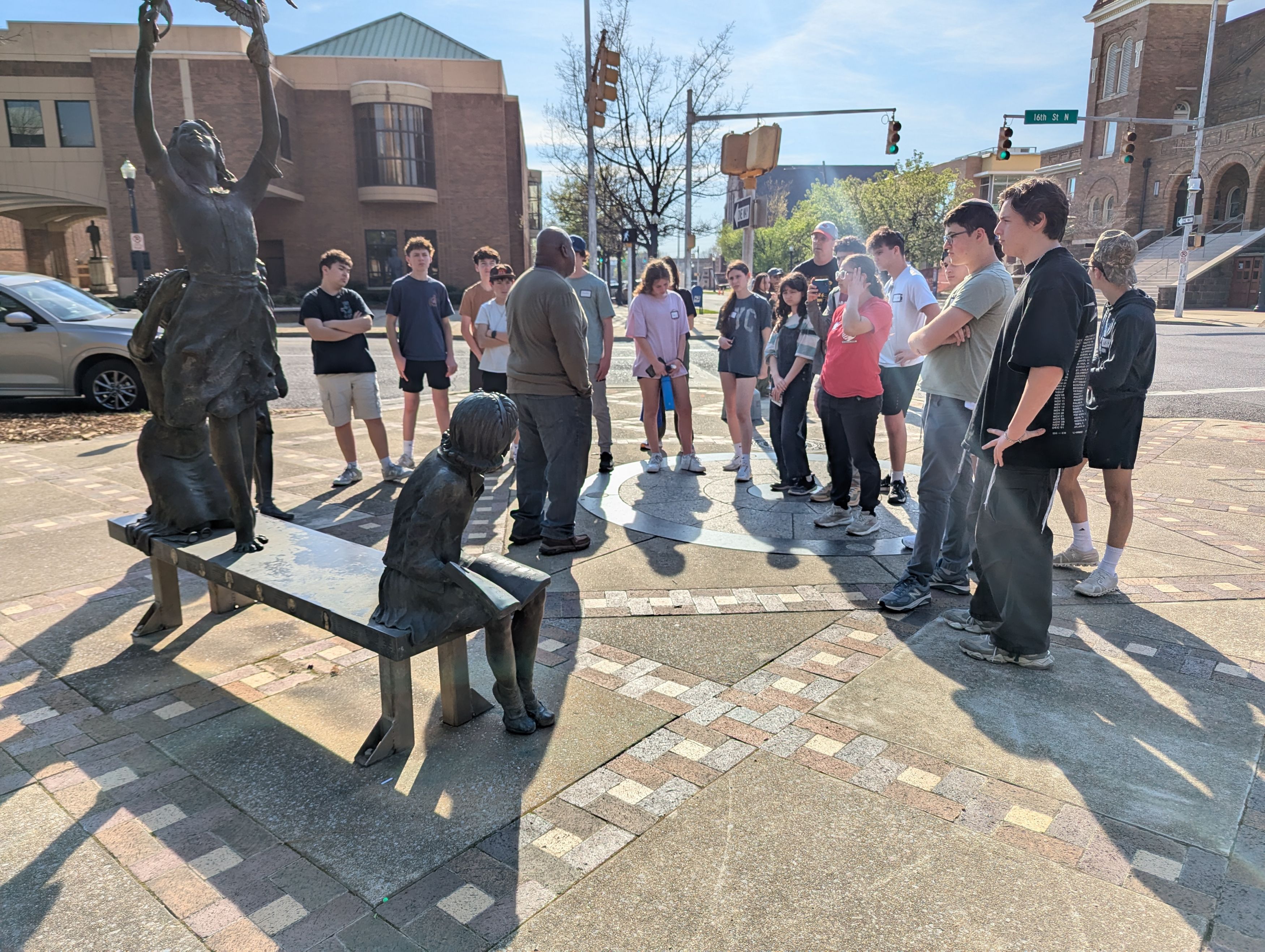
Students then walked through Kelly Ingram Park, where Barry McNealy connected the events of Birmingham to broader struggles for civil and human rights, including links to Jewish and Holocaust history, highlighting how different histories of oppression and resistance often intersect.
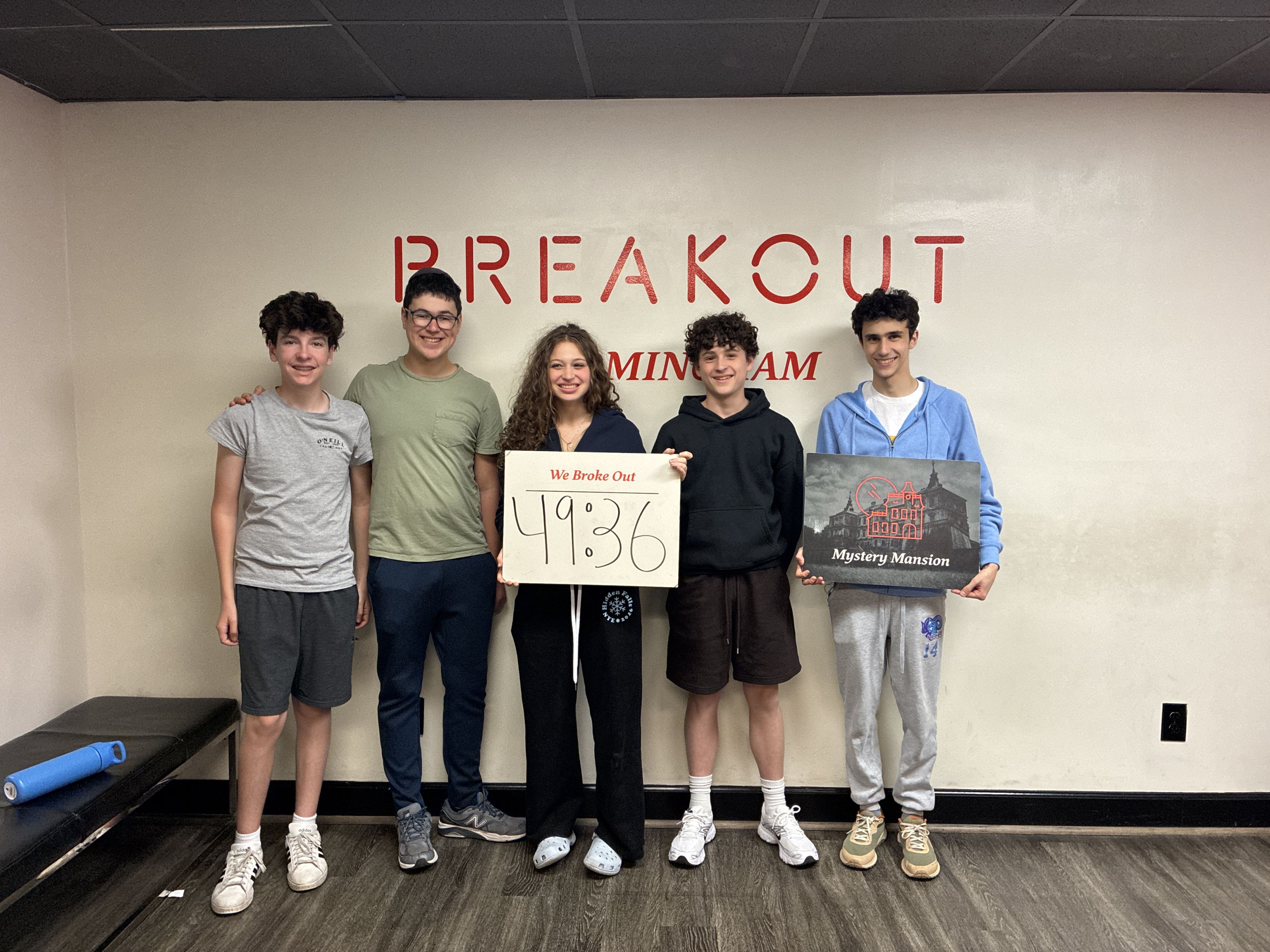
That evening, Head of School Annie Glickman surprised the group by joining them for Shabbat. Students participated in services and meals at Temple Beth El while spending the rest of Shabbat relaxing at the hotel. After a restful Shabbat and a special Havdalah together, the group headed to Breakout Birmingham for a series of escape room challenges, giving students a chance to collaborate, problem-solve, and simply enjoy time together after an intense few days of learning.
Montgomery, AL
On Sunday, the group traveled to Montgomery and spent the day at sites operated by the Equal Justice Initiative (EJI). Beginning at the Legacy Museum and continuing to the National Memorial for Peace and Justice, students engaged with the history of slavery, racial violence, and systemic discrimination in the United States. Here, Rabbi Elizabeth Bonney-Cohen joined the group, bringing fresh energy to the second half of the trip.
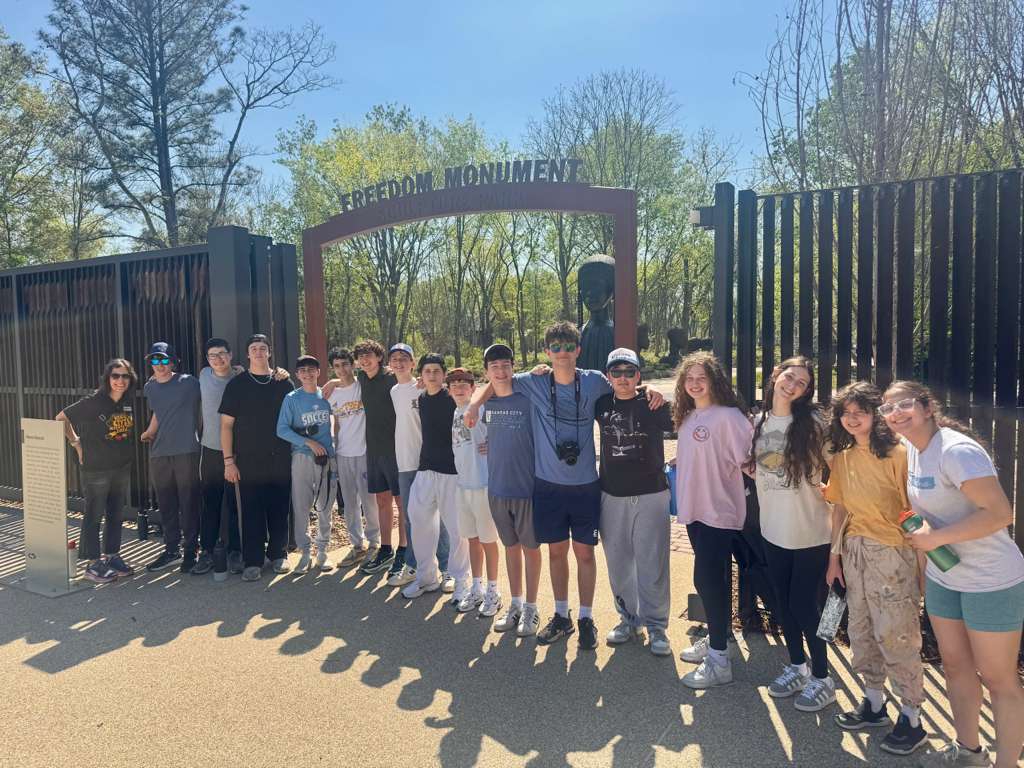
The last EJI site they visited was the Freedom Monument Sculpture Park, which they traveled to by boat along the Alabama River. The group walked through powerful large-scale sculptures by artists including Kwame Akoto-Bamfo and Kehinde Wiley, dedicated to remembering slavery and celebrating freedom.
Selma, AL, and Return to Montgomery
On Monday, students traveled to Selma, the site of the 1965 voting rights marches. There, they met Joyce O’Neal, a foot soldier of the movement, who shared her experiences participating in the fight for voting rights while she was the same age as our student participants are now.
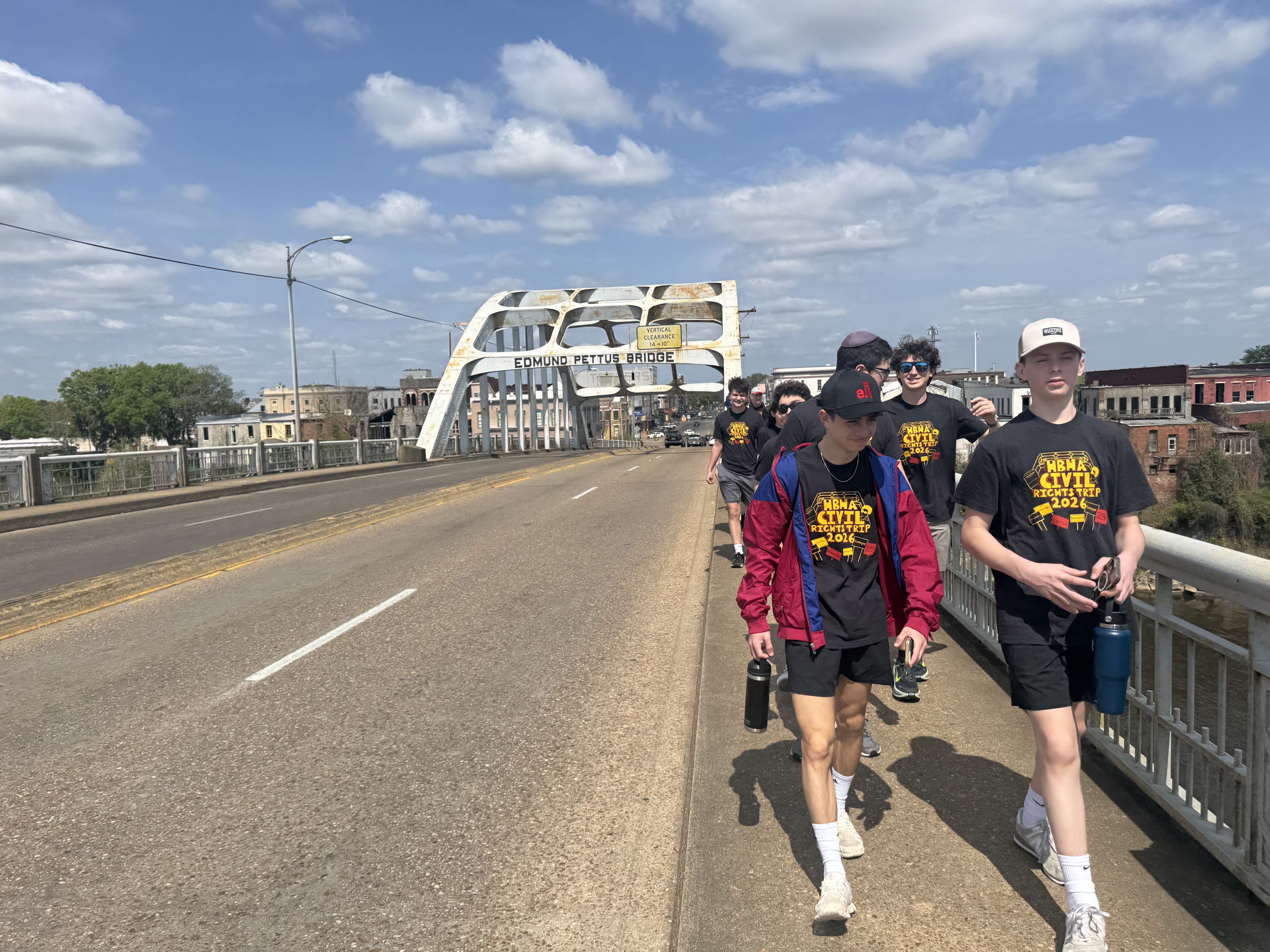
Students then crossed the Edmund Pettus Bridge, connecting their experience to their pre-trip learning about Freedom Summer and Rabbi Morris Margolies’ (formerly of Beth Shalom) brave participation in the Civil Rights Movement.
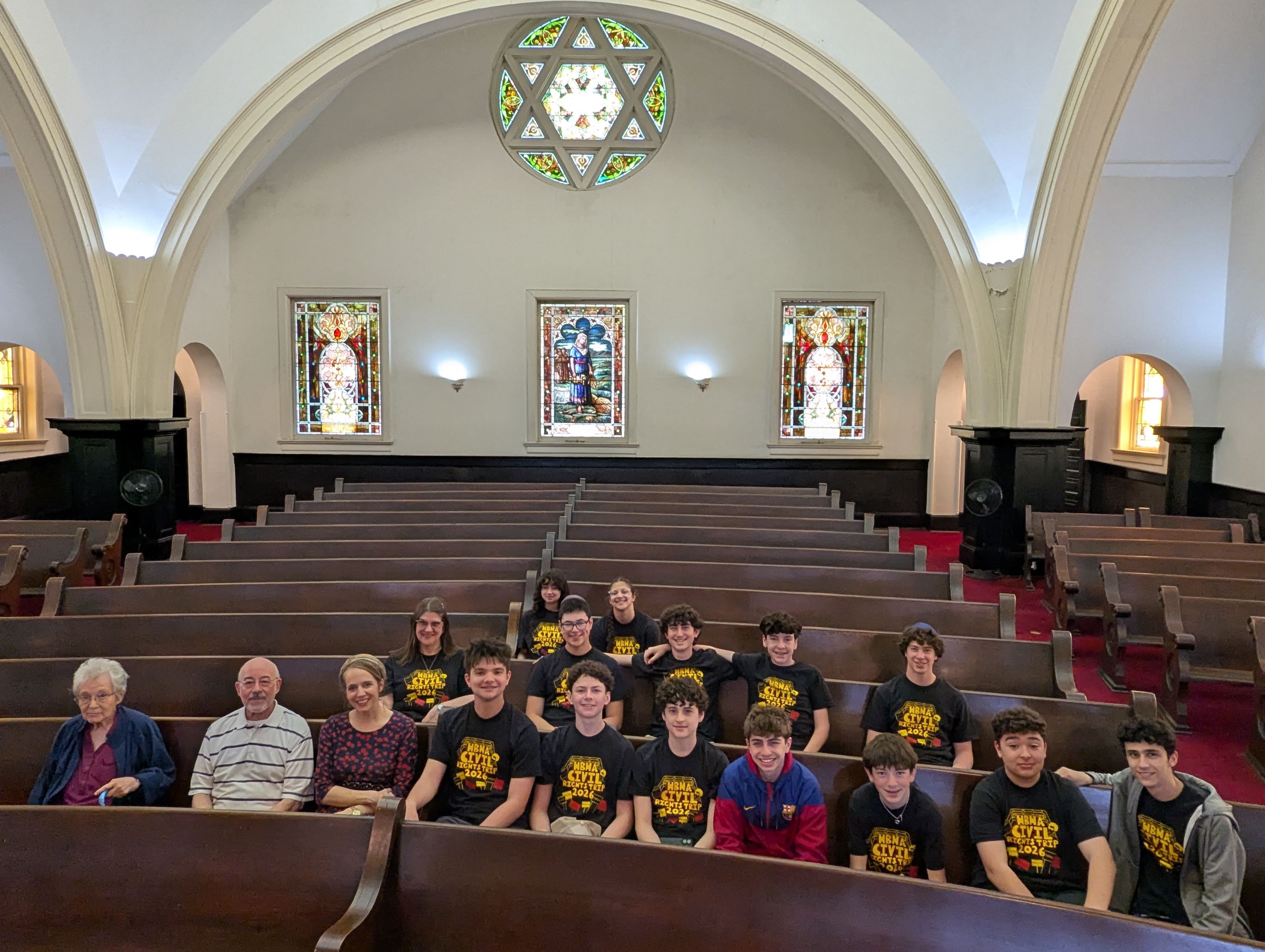
The group also visited Temple Mishkan Israel, where they grilled kosher hot dogs and met the two remaining members of the congregation, who taught the students about the synagogue’s 120-year history as “the Selma Temple.”
On the way back to Montgomery, students visited the Judge Frank M. Johnson Institute, touring a restored federal courtroom where major civil rights cases were decided. Executive Director Thomas Raines spoke about the impact of Judge Johnson’s rulings, and students met a current law clerk who shared how he integrates Jewish values into his legal career.
“Though it’s not always obvious, our [the Jewish people’s] ties to the Civil Rights Movement are and always have been there. Through brotherhood, shared frustrations, or shared pain. Jewish and African American… we still fight injustice today,” shared sophomore December V.
Notasulga and Tuskegee, AL
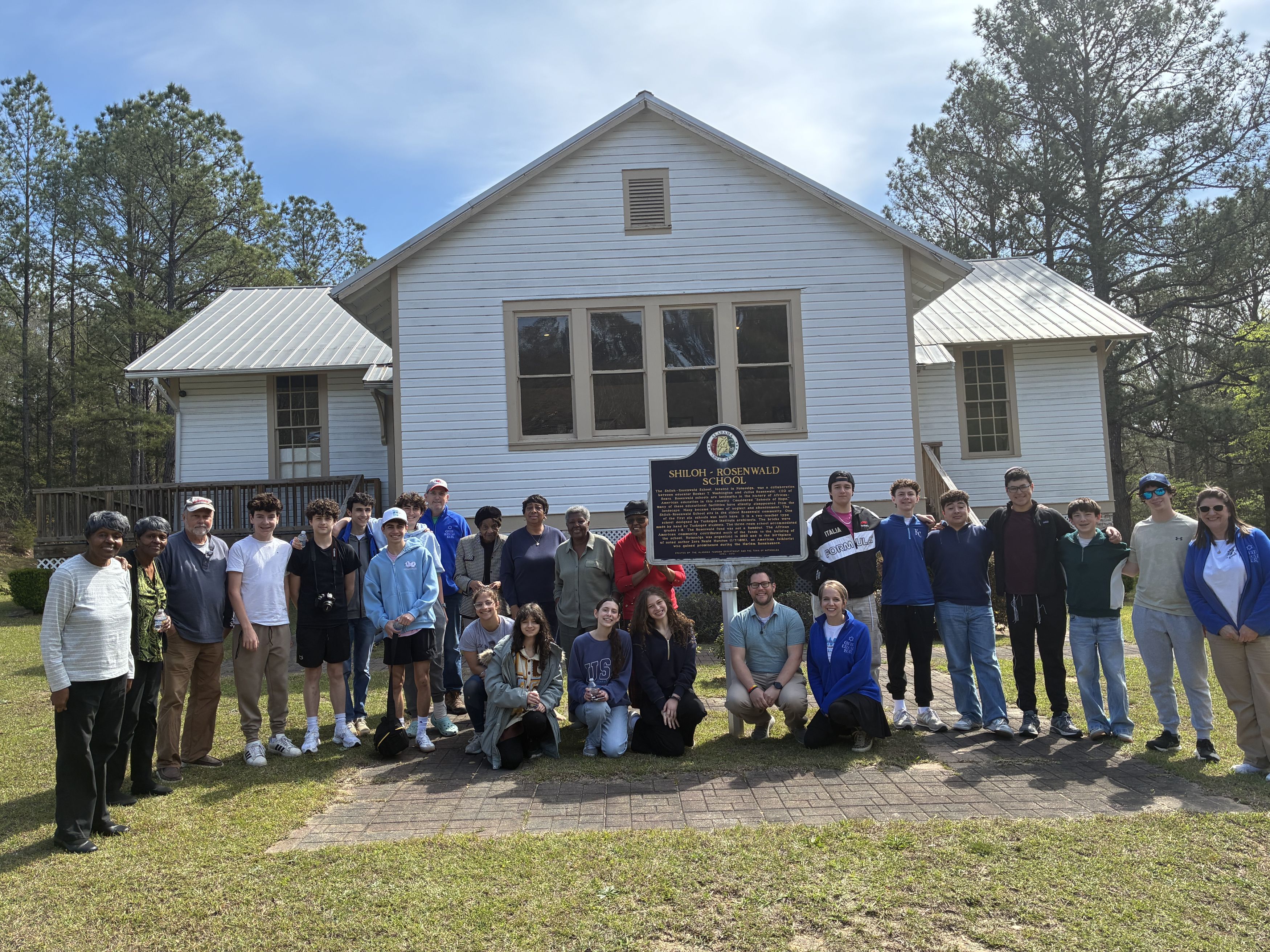
On Tuesday, the group visited the Shiloh-Rosenwald School in Notasulga, where former students from the 1950s and 60s shared how their lives were changed by the opportunity to receive an education. Our students learned how Julius Rosenwald’s philanthropy supported the construction of more than 5,000 schools for black students during segregation, providing access to education when it was otherwise denied.
As freshman Jaxson R. reflected, “They would not be where they are…without the building of this school during such a time when African Americans did not have equal rights to get a proper education.”
On their way out of Alabama, the group stopped at the Tuskegee Airmen National Historic Site before continuing to Memphis, including a roadside lunch on the campus of Tuskegee Institute. After a five-hour drive to Memphis, the group enjoyed dinner at Beth Sholom Synagogue.
Memphis, TN, and Return to Kansas City
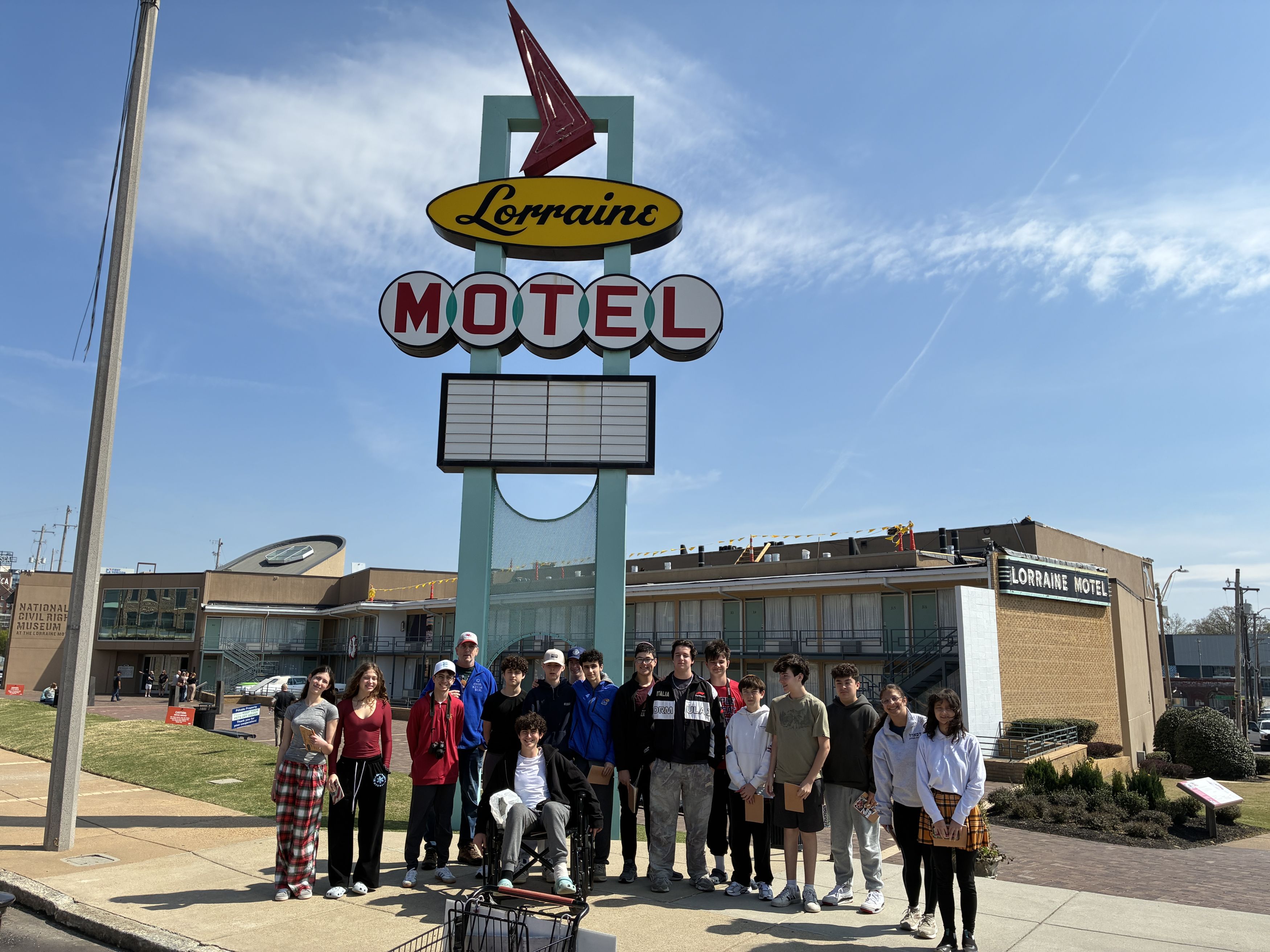
The final day of the trip brought students to the National Civil Rights Museum at the Lorraine Motel, where Dr. Martin Luther King Jr. was assassinated on April 4, 1968. There, students traced the full narrative of African-American history, from the origins of slavery through Jim Crow, the Civil Rights Movement, Black Power movements, and beyond, bringing together the themes they had encountered throughout the trip.
The journey back to Kansas City included stops for meals, outdoor games, and time to unwind after an intensive week of travel and learning.
By the end of the trip, students had not only visited key historical sites but also engaged directly with the people, places, and ongoing issues connected to the Civil Rights Movement. The cumulative experience underscored how encountering history in person can deepen understanding and, in many cases, inspire a stronger sense of responsibility to stand up against injustice.
Read about the Upper School student trips
Ninth- and tenth-graders embark on an eight-day Civil Rights Tour of the South, visiting historic sites, engaging in community service in Birmingham, and connecting with teens in Southern synagogues. This experience gives students a firsthand look at how Jews and African-Americans collaborated to create change and encourages reflection on modern-day social justice issues.
Eleventh- and twelfth-graders travel to Germany, Poland, Bulgaria, and Israel for a 22-day Jewish Heritage Trip. Students will visit key historical sites, engage with local Jewish communities, and explore Jewish life across diverse cultures, strengthening their connection to heritage, history, and global Jewish identity.